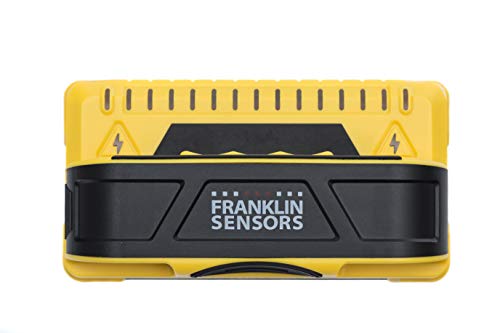
CH Hanson 03040 Magnetic Stud Finder Review: A Budget-Friendly Option
Finding studs behind drywall is a crucial task for anyone hanging pictures, mounting shelves, or performing any kind of home improvement project. The CH Hanson 03040 Magnetic Stud Finder offers a simple and affordable solution for locating those hidden supports. Unlike electronic stud finders that rely on sensors, this tool uses a powerful magnet to detect the metal fasteners (nails or screws) within the stud. This eliminates the need for batteries and complex calibration, making it a potentially more reliable option for some users. But does its simplicity translate to effectiveness? This review will delve into the features, pros, and cons of the CH Hanson magnetic stud finder to help you decide if it’s the right tool for your needs.
This magnetic stud finder is particularly well-suited for homeowners, DIY enthusiasts, and renters looking for a basic and cost-effective way to locate studs. It's a great addition to any toolbox, especially for quick projects where precision isn't paramount, and you want a tool that's always ready to go. If you frequently handle hanging tasks and prefer a no-frills approach, the CH Hanson magnetic stud finder is worth considering. However, it's important to understand its limitations before making a purchase.
Key Features of the CH Hanson 03040 Magnetic Stud Finder
Here are the key features you need to know about the CH Hanson 03040 Magnetic Stud Finder:
- • Magnetic Detection: Uses a strong magnet to locate metal fasteners within studs.
- • No Batteries Required: Eliminates the need for batteries, ensuring the tool is always ready for use.
- • Compact and Lightweight: Easy to carry and store, fitting comfortably in any toolbox or pocket.
- • Simple to Use: Requires no calibration or complicated settings, making it user-friendly even for beginners.
- • Durable Construction: Built to withstand regular use, ensuring long-lasting performance.
Pros of the CH Hanson 03040 Magnetic Stud Finder
- • Affordability: At around $13, it's one of the most budget-friendly stud finders on the market, a fraction of the cost of electronic models.
- • Reliability: Because it relies on a magnet instead of electronics, it's less prone to malfunctions and inaccurate readings caused by changes in wall density or humidity.
- • Ease of Use: With no batteries, calibration, or complex settings, it's incredibly simple to use. Just move it along the wall until you feel the magnetic pull.
- • Durability: Its simple design and sturdy construction contribute to its durability, making it a reliable tool that can withstand regular use.
- • No Batteries Needed: Never worry about running out of batteries in the middle of a project.
Cons of the CH Hanson 03040 Magnetic Stud Finder
- • Limited Precision: It only detects the metal fasteners, not the entire stud. This can make it difficult to determine the exact center of the stud.
- • Surface Limitations: It may not work effectively on surfaces with thicker drywall, plaster, or other materials that weaken the magnetic pull. Finding studs behind tile can be very difficult.
- • Dependence on Metal: It only works if the stud is fastened with metal nails or screws. If the studs are adhered with glue or the fasteners are deeply embedded, it won't be effective.
Who Should Buy the CH Hanson Magnetic Stud Finder?
The CH Hanson Magnetic Stud Finder is ideal for homeowners and DIY enthusiasts who need a simple, reliable, and affordable tool for basic stud finding tasks. If you frequently hang pictures, mount small shelves, or perform other minor home improvement projects, this tool can be a valuable addition to your toolbox. It’s also a great option for renters who want a non-invasive way to locate studs without damaging the walls.
This stud finder is particularly well-suited for individuals who appreciate simplicity and ease of use. If you're tired of dealing with electronic stud finders that require calibration, batteries, and complicated settings, the CH Hanson magnetic stud finder offers a refreshing alternative. Its straightforward design and reliable performance make it a user-friendly option for both beginners and experienced DIYers. If you're looking for the latest technology with bells and whistles, you might consider competing products like the Zircon MultiScanner series or the Franklin Sensors ProSensor T6, but these come with a significant price increase.
However, if you require pinpoint accuracy for more complex projects or need to locate studs behind thicker walls or other materials, you may want to consider investing in a more advanced electronic stud finder with features like depth detection and multi-scanning capabilities.
Conclusion: A Solid Value for Basic Stud Finding
The CH Hanson 03040 Magnetic Stud Finder is a solid value for its price. It offers a simple, reliable, and affordable way to locate studs for basic home improvement tasks. While it has limitations in terms of precision and surface compatibility, its ease of use and durability make it a worthwhile investment for homeowners and DIY enthusiasts. Looking for a reliable stud finder that won't break the bank? Give the CH Hanson a try! You can find it on Amazon and at many hardware stores.
Frequently Asked Questions (FAQ)
Q: How do I use the CH Hanson Magnetic Stud Finder?
A: Simply move the stud finder along the wall in a sweeping motion. When the magnet detects a metal fastener (nail or screw) within a stud, you'll feel a noticeable magnetic pull. Mark the spot and repeat the process to locate other fasteners within the same stud.
Q: Will it work on all walls?
A: It works best on drywall walls with standard thickness. Thicker materials like plaster or tile may reduce the effectiveness of the magnet.
Q: Is it accurate?
A: It is accurate in detecting metal fasteners within studs, but it doesn't identify the precise center of the stud. Consider using a level or measuring tape to estimate the center after locating the fasteners.
Q: Can I use it to find metal pipes?
A: While it can detect metal, it's not specifically designed for finding pipes. It's best to use a dedicated pipe detector for that purpose. Use caution when drilling into walls to avoid damaging pipes or electrical wiring.