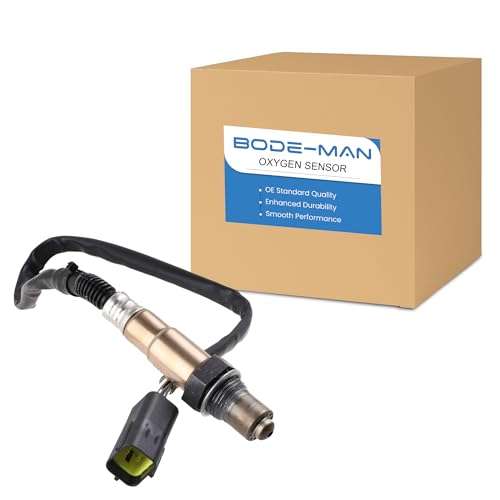
Sangyue Oxygen O2 Sensor Review: Is It Worth the Price?
If you own a 2010-2014 Chevrolet Equinox or GMC Terrain with a 2.4L engine, you know that oxygen sensors are crucial for maintaining optimal engine performance and fuel efficiency. Replacing faulty oxygen sensors can be expensive, but the Sangyue Oxygen O2 02 Sensor 1 & 2 offers a budget-friendly alternative. This 2-piece set includes both the upstream (pre-catalytic converter) and downstream (post-catalytic converter) sensors, promising to restore your vehicle's performance without breaking the bank.
This review will dive deep into the Sangyue oxygen sensors, assessing their key features, performance, and value for money. We'll explore the pros and cons, compare them to other oxygen sensor brands like Bosch or Denso, and help you decide if they're the right choice for your vehicle. After all, a faulty oxygen sensor can lead to poor gas mileage, failed emissions tests, and even engine damage, so making the right decision is paramount.
Key Features of the Sangyue Oxygen O2 Sensor
- • Complete Set: Includes both upstream and downstream oxygen sensors for a comprehensive replacement.
- • Direct Fit: Designed as a direct replacement for 2010-2014 Chevrolet Equinox and GMC Terrain 2.4L models.
- • Enhanced Fuel Efficiency: Claims to improve fuel economy by ensuring proper air-fuel mixture.
- • Durable Construction: Constructed with high-quality materials for long-lasting performance.
- • Easy Installation: Designed for relatively straightforward installation, minimizing downtime.
Pros of the Sangyue Oxygen O2 Sensor
- • Affordable Price: At around $27.99, the Sangyue oxygen sensor set is significantly cheaper than many name-brand alternatives, making it an attractive option for budget-conscious car owners.
- • Direct Fit Compatibility: Specifically designed for 2010-2014 Chevrolet Equinox and GMC Terrain 2.4L engines, eliminating the need for modifications or adjustments during installation. This is a significant advantage over universal fit sensors that require wiring and splicing.
- • Improved Fuel Economy Potential: By ensuring the correct air-fuel mixture, these sensors can help your engine run more efficiently, potentially leading to noticeable improvements in gas mileage. While results can vary based on driving habits and vehicle condition, many users report a positive impact.
Cons of the Sangyue Oxygen O2 Sensor
- • Longevity Concerns: As a budget-friendly option, the Sangyue sensors may not have the same lifespan as higher-end brands like Bosch or Denso. Some users have reported premature failure, requiring replacement sooner than expected. This is a crucial consideration when weighing the initial cost savings.
- • Questionable Quality Control: While many users have had positive experiences, there are reports of occasional sensor malfunctions or DOA (dead on arrival) units. This highlights potential inconsistencies in quality control and underscores the importance of testing the sensors immediately after installation.
Who Should Buy the Sangyue Oxygen O2 Sensor?
The Sangyue Oxygen O2 Sensor is best suited for vehicle owners on a tight budget who need to replace their oxygen sensors on a 2010-2014 Chevrolet Equinox or GMC Terrain 2.4L. If you're looking for an immediate solution to improve fuel economy and resolve engine codes without spending a fortune, these sensors could be a viable option.
However, it's essential to understand the potential trade-offs. If you prioritize long-term reliability and are willing to invest more upfront, considering premium brands like Bosch or Denso might be a better choice. These brands often offer superior build quality and extended warranties, providing greater peace of mind.
This sensor is also a good choice for those who are comfortable with DIY car repairs and can easily install the sensors themselves. Professional installation can quickly negate the initial cost savings.
Conclusion: Price vs. Performance – Is it a Good Deal?
The Sangyue Oxygen O2 Sensor offers a compelling price point for Chevrolet Equinox and GMC Terrain owners needing to replace their oxygen sensors. While the low cost is undoubtedly appealing, potential buyers should be aware of the trade-offs in terms of long-term reliability. While not as durable as premium brands like Bosch or Denso, the Sangyue oxygen sensors can be a cost-effective solution for those on a budget, especially if you're comfortable with DIY installation and are aware of the potential need for earlier replacement. Before installing, consider using an OBD2 scanner to diagnose the specific oxygen sensor failure and confirm compatibility. This helps to isolate the problem and ensure the new sensor will address the issue.
Rating: 3.8